
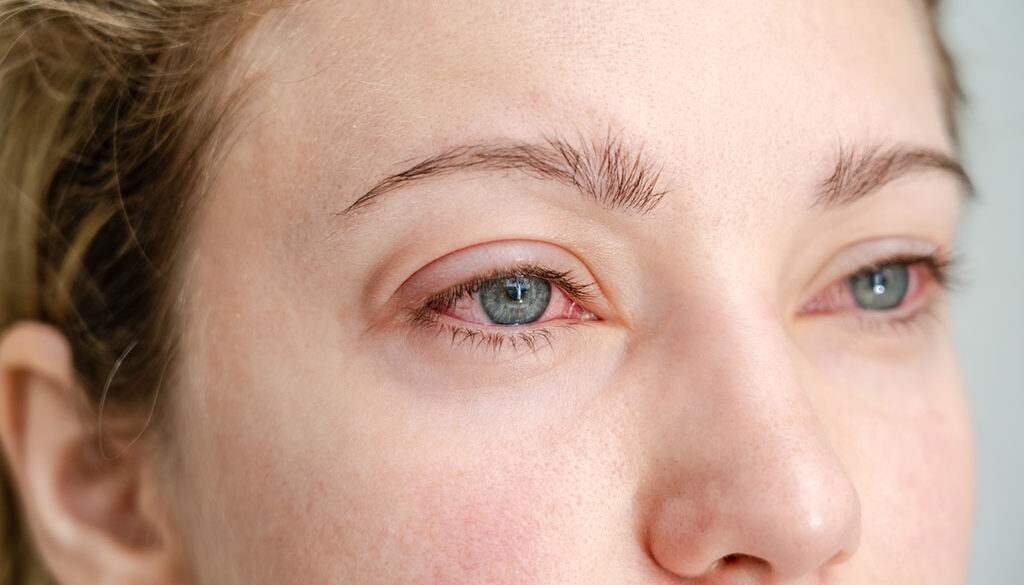
What Allergens Can Cause Itchy Eyes? The Five Main Culprits
In this article:
When you have itchy, watery eyes, even simple everyday activities like spending time outdoors or getting through your regular daily routine can feel challenging. If you’re dealing with itchy eyes from allergies, identifying and avoiding the allergens triggering your symptoms is often the first step toward finding relief and preventing future flare-ups.
In this article, we’ll explore five common culprits that can cause itchy eyes, and share prevention and treatment strategies to help you manage your symptoms and feel better.
We understand how persistent allergy symptoms can interfere with your daily life, but you don’t have to suffer. At Cary Medical Group, we offer safe and effective personalized treatment for allergies to help you find relief and get back to doing the things you love. We invite you to contact us to request an appointment.
What Allergens Can Cause Itchy Eyes?
Eye allergies develop when your immune system overreacts to certain substances that are typically harmless, causing inflammation and irritation. These substances, or allergens, can be found in both indoor and outdoor environments.
The five primary allergens that may trigger itchy eyes include:
- Pollen from trees, grasses and weeds that can cause seasonal eye allergies; pollen season varies depending on where you live
- Dust mites, microscopic organisms found in bedding, mattresses, pillows, upholstered furniture and household dust
- Pet dander, tiny proteins present in skin flakes shed by cats, dogs and other animals with fur, hair or feathers that can become airborne or settle on household surfaces
- Mold spores, microscopic cells released into the air by mold that commonly thrive in damp, humid environments such as basements, bathrooms and areas with leaks or outdoors in rotting leaves
- Environmental and other irritants, such as smoke, smog, fragrances, cosmetics and chemical fumes, which can act as merely eye irritants or true allergens, depending on an individual’s particular sensitivities and immune system
What Are the Symptoms of Eye Allergies?
Common symptoms of eye allergies may include:
- Itchy eyes, typically the most noticeable symptom
- Redness or the appearance of bloodshot eyes
- Pronounced tearing or watery eyes
- Swollen eyelids or eye puffiness
- A burning, gritty or irritated sensation, as though something is in your eyes
Some people with eye allergies may also experience sneezing, a runny or itchy nose or nasal congestion.
While itchy eyes are a common symptom of eye allergies, eye redness and irritation can sometimes be caused by eye infections or other conditions.
It’s Important to seek prompt medical attention if you experience vision changes, eye pain, light sensitivity, severe redness or other concerning symptoms.
How Can You Prevent Itchy Eyes Caused by Allergies?
While it’s not possible to avoid allergens entirely, there are practical steps you can take to reduce your exposure and help prevent symptoms or lessen their severity.
Recommendations include:
- Limiting pollen exposure. Regularly check pollen forecasts, keep windows closed and avoid spending excessive time outside when pollen counts are high, if possible, and wear sunglasses outdoors.
- Reducing dust mites. Regularly wash bedding, use allergen-resistant pillow and mattress covers and keep indoor surfaces clean and dust-free.
- Managing pet allergens. Keep pets out of your bedroom, wash your hands after touching them and clean surfaces where pet allergens accumulate.
- Controlling mold. Repair leaks, manage excess moisture, use a dehumidifier in humid spaces and routinely clean damp areas to deter mold growth.
- Avoiding rubbing your eyes. Although it may provide momentary relief, rubbing your eyes can worsen irritation and inflammation.
It’s also important to identify your triggers by keeping track of when your symptoms develop. For example, if your symptoms worsen after yardwork or spending time outdoors, you may have a pollen allergy; if you experience symptoms after making your bed, you may have a dust mite allergy.
Knowing your triggers allows you to use the right prevention strategy for your specific situation.
How Should You Treat Itchy Eyes Caused by Allergies?
If the prevention strategies discussed above don’t provide enough relief, there are treatments available that may help alleviate your allergy symptoms.
Treatment approaches for itchy eyes caused by allergies include:
- Artificial tears. Lubricating eye drops can help rinse allergens from the surface of your eyes and help ease irritation.
- Cold compresses. A clean, cool washcloth over closed eyes can help soothe irritation, relieve itching and alleviate swelling.
- Allergy eye drops. Over-the-counter antihistamine eye drops can help manage itchy eyes. We recommend you speak with us for guidance about the most appropriate options.
- Oral allergy medications. If you have symptoms such as sneezing, runny nose or other allergy symptoms in addition to itchy eyes, antihistamines may help.
- Professional treatment. If your symptoms are severe, persistent or difficult to manage, we may recommend prescription treatments or allergy testing.
If your eye allergy symptoms persist despite the prevention tips and treatment strategies we’ve discussed here, we encourage you to contact us for an appointment. We can help identify your triggers and recommend appropriate personalized care.
Itchy Eyes from Allergies? Cary Medical Group Can Help You Find Relief
Itchy eyes and other persistent eye allergy symptoms can make even routine tasks feel uncomfortable and interfere with your quality of life. Fortunately, you don’t have to suffer.
If you’ve tried preventive measures to reduce your discomfort and they haven’t brought you relief, we can help. At Cary Medical Group, our expert internal medicine physicians provide effective, personalized treatment to help you manage allergy symptoms, so you can get back to feeling your best and doing the things you love.
We encourage you to contact us for an appointment today.
Key Takeaways
- Common allergens that cause itchy eyes include pollen, dust mites, pet dander, mold spores and certain environmental irritants.
- Eye allergy symptoms may include itching, redness, watery eyes, swollen eyelids and a burning or gritty sensation.
- You can reduce exposure to allergens by keeping windows closed during high-pollen periods, washing bedding regularly, limiting contact with pet allergens and controlling indoor moisture to prevent mold growth.
- Tracking when your symptoms occur can help you identify your allergy triggers and choose effective prevention strategies.
- Treatments such as artificial tears, cold compresses, antihistamine eye drops and oral allergy medications may help relieve itchy eyes caused by allergies.
- If your symptoms are severe, persistent or difficult to manage, a healthcare professional can recommend appropriate treatments or allergy testing.
- You should seek prompt medical attention for concerning symptoms such as eye pain, vision changes, light sensitivity or severe redness.
- At Cary Medical Group, we provide personalized allergy care to help patients identify their triggers, manage symptoms and find relief.
The content within this article and others on this website is only for educational purposes and should not be considered as medical advice. For any questions or concerns, please consult with your healthcare provider.
=====
Sources:
American Academy of Ophthalmology, “Eye Allergies: Why Are My Eyes Itchy?,”
https://www.aao.org/eye-health/diseases/allergies
Asthma and Allergy Foundation of America, “Eye Allergies (Allergic Conjunctivitis),”
https://aafa.org/allergies/allergy-symptoms/eye-allergy-conjunctivitis/


